The Ethics of Birdhouse Design: Balancing Functionality and Aesthetics

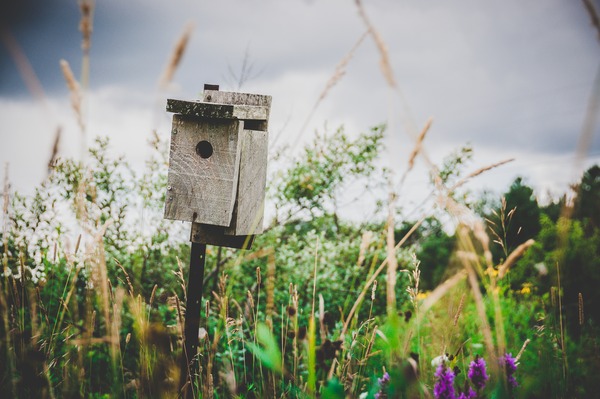
The design of birdhouses requires a delicate balance between functionality and aesthetics. While it is important to create beautiful wooden birdhouses that complement their surroundings, it is equally important to ensure that the design is safe and comfortable for the birds that will inhabit them. Designers must consider the ethical implications of their designs, including the potential impact on the surrounding ecosystem and the safety of the birds. By balancing functionality and aesthetics and considering the ethical implications of their designs, designers can create beautiful birdhouses that provide a safe and comfortable environment for birds while enhancing the beauty of outdoor spaces.
Functionality is a key consideration when designing beautiful wooden birdhouses. To ensure the safety and comfort of the birds that will inhabit them, birdhouses should be designed to provide adequate ventilation and drainage to prevent the buildup of moisture that can lead to the growth of harmful molds and bacteria. The size of the birdhouse entrance and the interior dimensions should be appropriate for the species of bird that is intended to inhabit it. Additionally, birdhouses should be made of durable materials that can withstand harsh weather conditions, and should be placed in locations that protect them from predators and ensure that they receive adequate sunlight.
While functionality is essential, the aesthetic elements of birdhouse design should not be overlooked. Beautiful wooden birdhouses can be created in a variety of shapes and sizes, with different colors and finishes to match any style or decor. Birdhouse designs can be customized to complement the surrounding environment, such as incorporating natural elements like branches and leaves into the design. Birdhouse designs can also be tailored to reflect cultural or personal interests, such as incorporating architectural styles or themes.
Balancing functionality and aesthetics requires careful consideration of the needs of the birds that will inhabit the birdhouse as well as the desires of the designer or homeowner. Designers must consider the requirements of the intended bird species when creating the birdhouse design, including the size and placement of the entrance hole, the size and shape of the interior, and the placement of the birdhouse in the environment. The aesthetic elements of the design can be incorporated into the materials used for the birdhouse, such as using natural materials like wood or stone, and by adding decorative elements such as paint or decorative finishes. It is important to remember that functionality should always be the top priority when designing birdhouses. If a design element compromises the safety or comfort of the birds, it should be reevaluated.
When designing wooden birdhouses, it is also important to consider the ethical implications of the design. Aesthetically pleasing birdhouses may attract more birds than the environment can support, leading to overcrowding and competition for resources. If birdhouses are not maintained properly, they can become breeding grounds for harmful bacteria and diseases that can harm the bird population. When placing birdhouses in natural environments, it is important to consider the potential impact on the surrounding ecosystem, such as the displacement of other animals or the introduction of non-native species.
In conclusion, designing wooden birdhouses is a rewarding task that requires careful consideration of functionality, aesthetics, and ethical implications. By balancing the needs of the birds with the desires of the designer, birdhouses can be created that provide a safe and comfortable environment for birds while enhancing the beauty of outdoor spaces. With thoughtful design, beautiful wooden birdhouses can provide a haven for birds while adding to the charm and beauty of any environment.
About the Author