The Birds That Use Beautiful Wooden Birdhouses and How to Make the Most of Them

Beautiful wooden birdhouses have long been a favorite among bird enthusiasts and garden lovers alike. Not only do they provide shelter and nesting sites for a variety of bird species, but they also serve as charming garden decorations. In this blog post, we will explore the types of birds that commonly use birdhouses and share tips on the best ways to use these delightful additions to your outdoor space.
- The Birds That Love Wooden Birdhouses
Although not all bird species will use birdhouses, many small cavity-nesting birds are attracted to beautiful wooden birdhouses as a safe and cozy place to raise their young. Some of the most common bird species that use birdhouses include:
-
Wrens: These small, energetic birds are known for their bubbly songs and can often be found in wooden birdhouses. Wrens are not picky about their nesting sites and will readily use birdhouses that meet their size requirements.
-
Bluebirds: Bluebirds are cavity-nesting birds that have a strong preference for wooden birdhouses. Providing a birdhouse with the proper dimensions and placing it in an open area with nearby perches can significantly increase the likelihood of attracting these colorful birds.
-
Chickadees: These friendly and curious birds are attracted to birdhouses with small entrance holes, which provide protection from larger predators. Chickadees will readily use wooden birdhouses placed in wooded areas or near the edges of forests.
-
Tree Swallows: These aerial insectivores are known for their acrobatic flight and iridescent blue-green plumage. Tree Swallows readily use birdhouses placed in open areas with easy access to water, where they can find an abundance of insects to feed on.
- Choosing the Right Birdhouse
When selecting a birdhouse, it's essential to consider the specific needs and preferences of the bird species you hope to attract. Here are some factors to keep in mind when choosing a birdhouse:
-
Size: The size of the birdhouse, including the interior dimensions and entrance hole size, should be appropriate for the specific bird species you wish to attract. Research the recommended dimensions for your target bird species before purchasing or building a birdhouse.
-
Materials: Beautiful wooden birdhouses are preferred by many bird species due to their natural appearance and insulation properties. Opt for untreated wood or wood treated with non-toxic finishes to ensure the safety of the birds.
-
Ventilation and Drainage: A well-designed birdhouse should have ventilation holes near the top and drainage holes at the bottom to prevent the accumulation of moisture and promote air circulation.
- Proper Placement and Maintenance of Beautiful Wooden Birdhouses
To maximize the effectiveness of your birdhouses and ensure the safety and comfort of your feathered guests, follow these tips for proper placement and maintenance:
-
Location: Place birdhouses in locations that provide the preferred habitat for your target bird species. Consider factors such as proximity to food sources, water, and suitable perches. Avoid placing birdhouses in locations with heavy foot traffic or near busy roads, as these can deter birds from using the birdhouse.
-
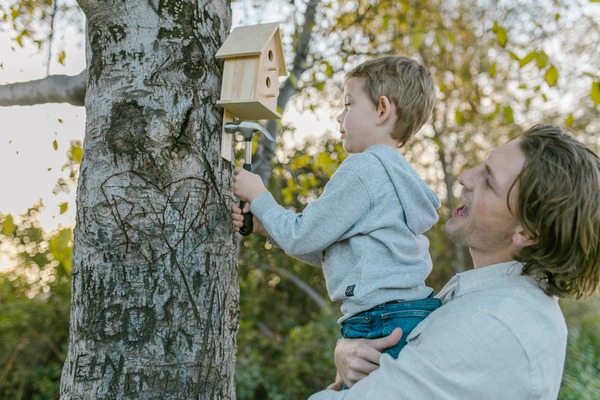
Height: The height at which you mount your birdhouse will depend on the bird species you are trying to attract. Research the recommended mounting heights for your target species and ensure the birdhouse is securely attached to a post, tree, or other suitable support structure.
-
Predator Protection: To protect nesting birds from predators, such as cats and raccoons, install predator guards, such as a baffle or metal collar, on the mounting pole or tree trunk. Ensure the entrance hole is the appropriate size to prevent larger birds from accessing the birdhouse.
-
Maintenance: Regularly inspect and clean your birdhouses to ensure they remain safe and inviting for your feathered friends. Remove old nesting materials and clean the interior of the birdhouse with a mild bleach solution to eliminate parasites and bacteria. Allow the birdhouse to dry completely before rehanging it. Perform this maintenance between nesting seasons, preferably in the late fall or early winter, to prepare for the following breeding season.
Conclusion:
Beautiful wooden birdhouses are a charming and practical addition to any outdoor space, providing shelter and nesting sites for a variety of bird species. By understanding the needs and preferences of the birds you wish to attract, choosing the right birdhouse, and following proper placement and maintenance guidelines, you can create a welcoming and safe environment for your feathered friends. Embrace the joy and satisfaction of providing a haven for these delightful creatures and enjoy the sights and sounds they bring to your garden.
About the Author